The King will reply, “Truly I tell you, whatever you did for one of the least of these brothers and sisters of mine, you did for me.” Matthew 25:40 NIV
Life in Liberia is dramatically different from life in developed regions of the world. A report by UNICEF shows only 10% of Liberians have access to safe drinking water, and rural regions of the country have no plumbing at all. The World Bank reports that only 32% of Liberians have access to electricity. The Global Hunger Index reports that 35.5% of the population is undernourished, 26.9% of children under five are stunted, and 7.3% of children die before their fifth birthday.
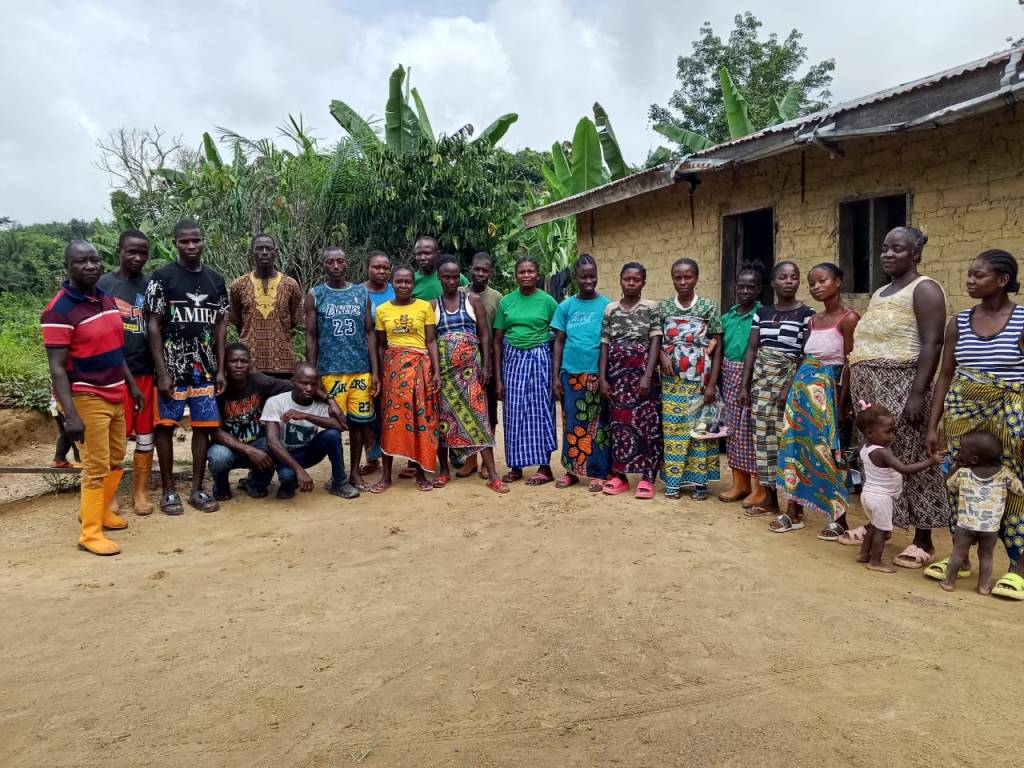
Project Liberia recognized that before we could begin sharing the gospel, we would need to form relationships and build trust among the villages we sought to serve. As Theodore Roosevelt once said: “People don’t care how much you know until they know how much you care”. So, we began by demonstrating how much we care.
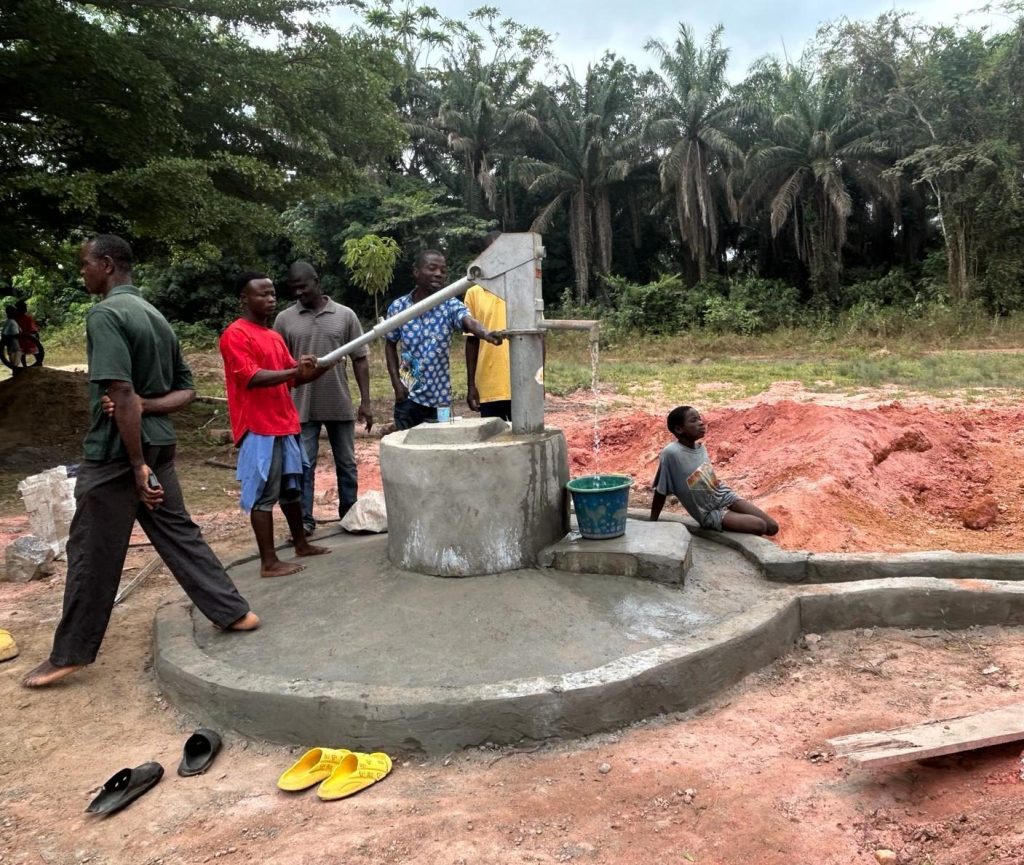
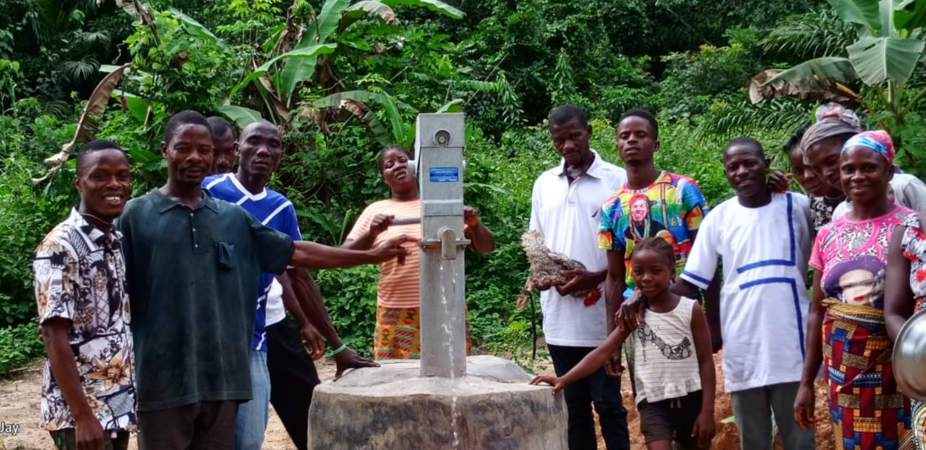
We built a relationship with the International Disaster Emergency Service, who provided grant funding to begin digging wells in the villages to provide safe an accessible source for drinking water.
In partnership with International Disaster Emergency Service we have constructed water wells in 30 villages, providing an accessible source of safe, health drinking water and eliminating the need to walk to a stream, then carry water back to the village.
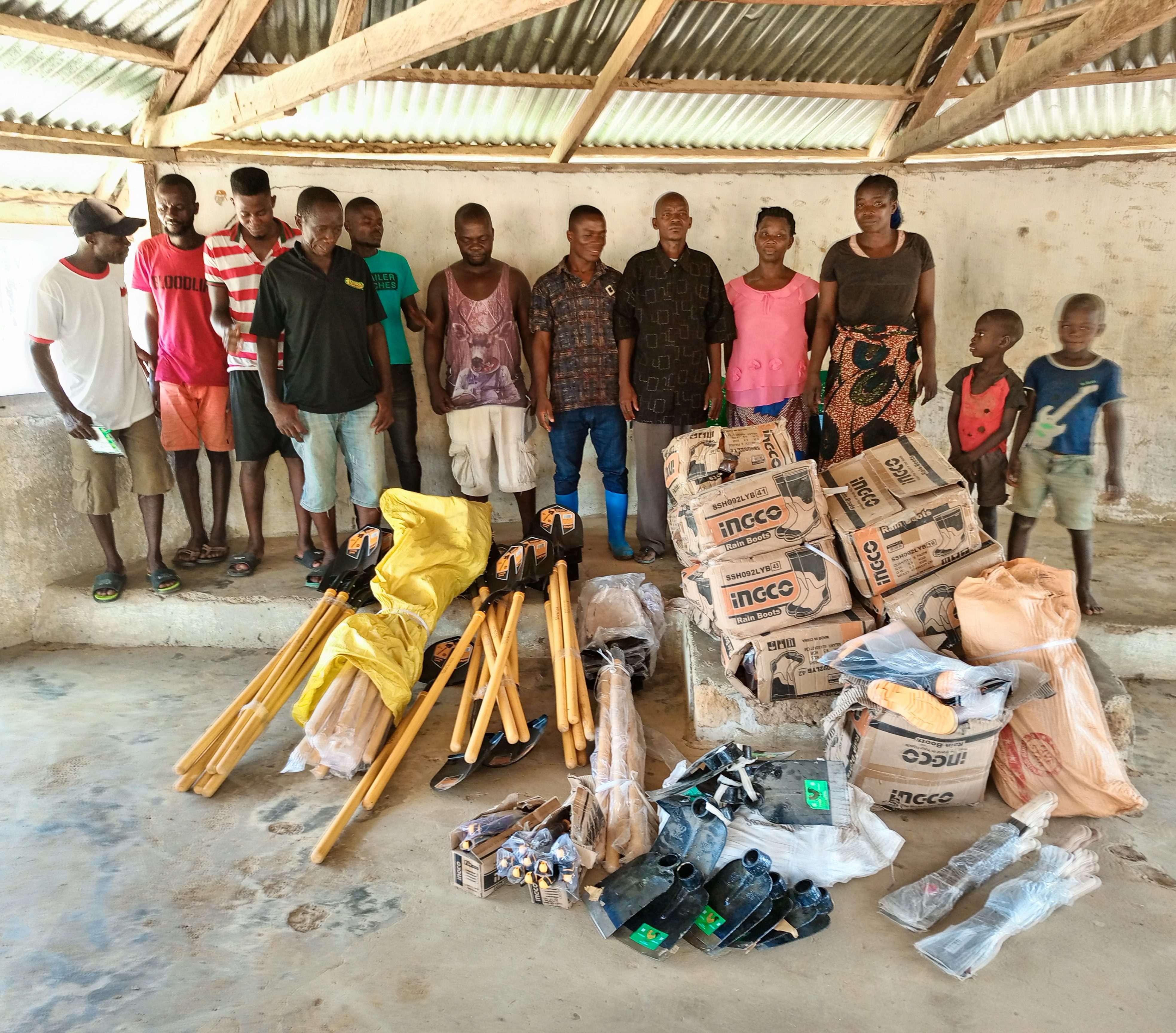
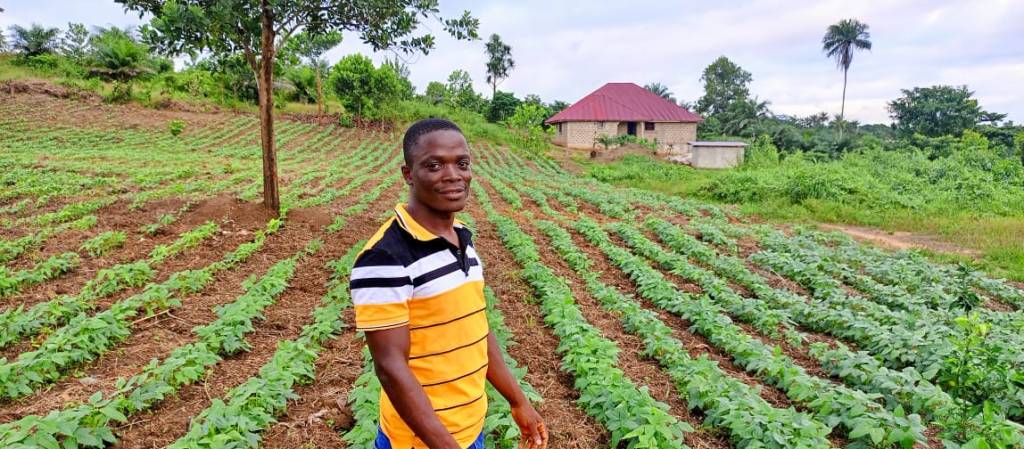
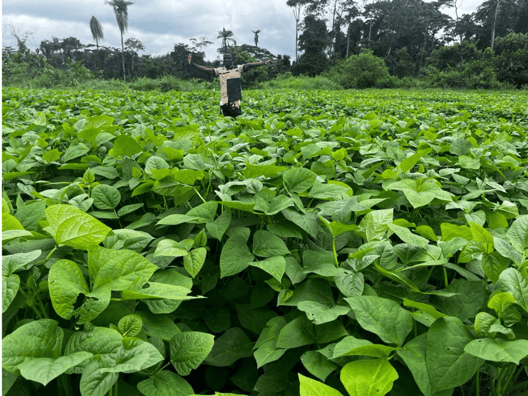
We have formed partnerships with villages to plant 32 farms averaging about 20 acres each to provide a source of food while also empowering communities to become more self-sufficient. Grant money from IDES provided agricultural education, tools, boots and seeds.
Community members are trained according to the proven methods in “Farming God’s Way”, a method of farming based on Biblical principles as well as modern technology and management methods. This approach was developed to equip agricultural communities to come out of poverty with what God has put in their hands. The system is freely available for individuals, NGOs, missions or churches to be able to use to make a difference in the lives of the communities they have influence into. Project Liberia has developed professional trainers of the system and has adopted it for use in all of the farms we have sponsored.